Skip to content
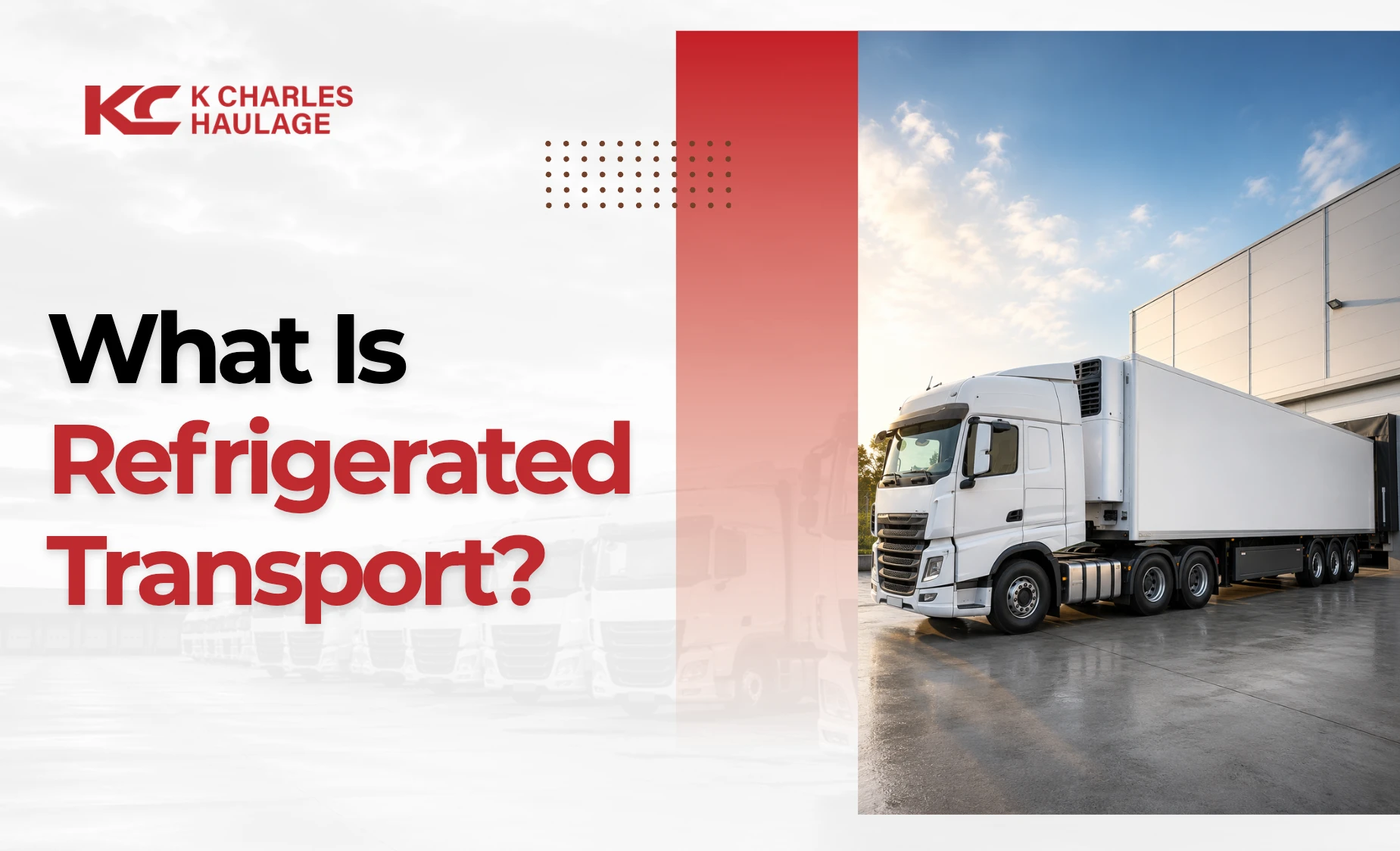
Refrigerated transport, also known as temperature-controlled haulage or reefer freight, is the transportation of temperature-sensitive goods in specialized insulated vehicles equipped with refrigeration systems that maintain a precise, controlled temperature throughout the entire journey. It is used to safely transport chilled and frozen food, pharmaceuticals, medical samples, flowers, chemicals, and other sensitive cargo that require specific temperature ranges to preserve quality, safety, and effectiveness. Maintaining these conditions supports an uninterrupted cold chain while ensuring compliance with UK food safety and transport regulations.
Choosing the right refrigerated transport provider is equally important for protecting valuable shipments. Businesses should consider factors such as real-time temperature monitoring, regulatory certifications, a suitable refrigerated fleet, proven delivery performance, and contingency planning to ensure reliable service. Although refrigerated transport presents challenges such as temperature fluctuations, equipment failures, and operating costs, effective temperature management, continuous monitoring, and regulatory compliance help minimise risks. By selecting a dependable provider, businesses can safeguard product integrity, meet legal requirements, and deliver temperature-sensitive goods safely and efficiently across the UK.
How Does Refrigerated Transport Work in the UK?
Refrigerated transport in the UK works by using specialised vehicles fitted with insulated bodies and Transport Refrigeration Units (TRUs) attached to vans, rigid trucks, or articulated trailers to maintain precise temperatures throughout transit. The refrigeration system continuously compresses and evaporates refrigerant to remove heat from the cargo area and release it outside, keeping products at temperatures ranging from +8°C for fresh produce to -25°C for frozen goods such as ice cream.
The refrigerated transport process follows these steps:
- Cooling Process: A Transport Refrigeration Unit (TRU) operates like a mobile cooling system. The compressor circulates refrigerant, converting it from a gas to a liquid, while the evaporator extracts heat from the cargo compartment and releases it outside to maintain the required temperature.
- Thermal Insulation: Refrigerated vehicles are built with thick polyurethane insulation, seamless interior panels, and airtight door seals that minimize heat transfer and keep the cargo area at a consistent temperature.
- Temperature Regulation: Refrigeration systems maintain temperatures ranging from +8°C for chilled goods to -25°C for frozen products, depending on cargo requirements. Some refrigerated trucks also feature multi-temperature compartments, allowing chilled and frozen goods to be transported simultaneously within separate sections.
What Is a Refrigerated Vehicle?
A refrigerated vehicle, often called a reefer, is a specially designed van, truck, or trailer with an insulated cargo compartment and a refrigeration system that maintains a controlled internal temperature during transport. Its insulation reduces heat transfer, while the refrigeration unit continuously cools the cargo area, allowing chilled, frozen, and other temperature-sensitive goods to be transported safely.
The main 6 types of refrigerated transport services include:
- Chilled Transport (2°C to 8°C): Vehicles in this category maintain a chilled environment suitable for fresh produce, dairy, and ready-to-eat foods. These trucks ensure products remain safe and fresh during transit.
- Frozen Transport (-18°C to -25°C): Designed for deep-freeze conditions, these vehicles transport frozen foods such as meat, seafood, and ice cream, maintaining stable, low temperatures to prevent spoilage.
- Multi-Compartment Trailers: These trailers feature separate temperature zones within a single vehicle, allowing the simultaneous transport of chilled and frozen goods. This option supports mixed loads for businesses with varied product requirements.
- Pharmaceutical and Medical Transport: Specialised vehicles comply with Good Distribution Practice (GDP) standards and offer precise temperature control, active monitoring, and secure storage for medicines, vaccines, and biotechnology products.
- Same-Day and Emergency Delivery: Rapid-response refrigerated vehicles provide urgent transport for temperature-sensitive goods, such as replacement medical supplies or event catering, ensuring products arrive in optimal condition.
- Event and Temporary Storage Solutions: Mobile refrigerated units or trailers provide temporary cold storage at events, festivals, or construction sites, meeting short-term needs for perishable goods.
How Does a Refrigerated Unit Maintain Temperature?
A refrigerated unit maintains temperature through a continuous cooling cycle consisting of evaporation, compression, condensation, and expansion. During this process, the refrigerant absorbs heat inside the unit and releases it outside, creating a stable, temperature-controlled environment. This system preserves the cold chain and keeps temperature-sensitive goods safe during storage and transport.
A refrigerated unit maintains temperature by following the process:
- Evaporation (Absorbing Heat): Cold liquid refrigerant flows through the evaporator coils inside the unit, absorbing heat from the air and cargo. As it gains heat, the refrigerant changes into a low-pressure gas.
- Compression (Raising the Temperature): The gaseous refrigerant enters the compressor, which increases its pressure and temperature by compressing it into a high-pressure gas.
- Condensation (Releasing Heat): Releases heat to the outside air through the condenser coils, converting the hot refrigerant back into a high-pressure liquid.
- Expansion (Dropping the Pressure): Passes refrigerant through an expansion valve or capillary tube, causing a rapid pressure drop that lowers its temperature before it returns to the evaporator to repeat the cooling cycle.
What Goods Require Refrigerated Transport?
The goods that require refrigerated transport are chilled food, frozen food, pharmaceuticals and vaccines, medical samples, flowers and plants, chemicals, laboratory products, and other temperature-sensitive goods. These products must be transported within controlled temperature ranges to preserve their quality, safety, and effectiveness, and to ensure compliance with UK transport and food safety regulations.
Below are the 7 goods that require refrigerated transport:
- Chilled food
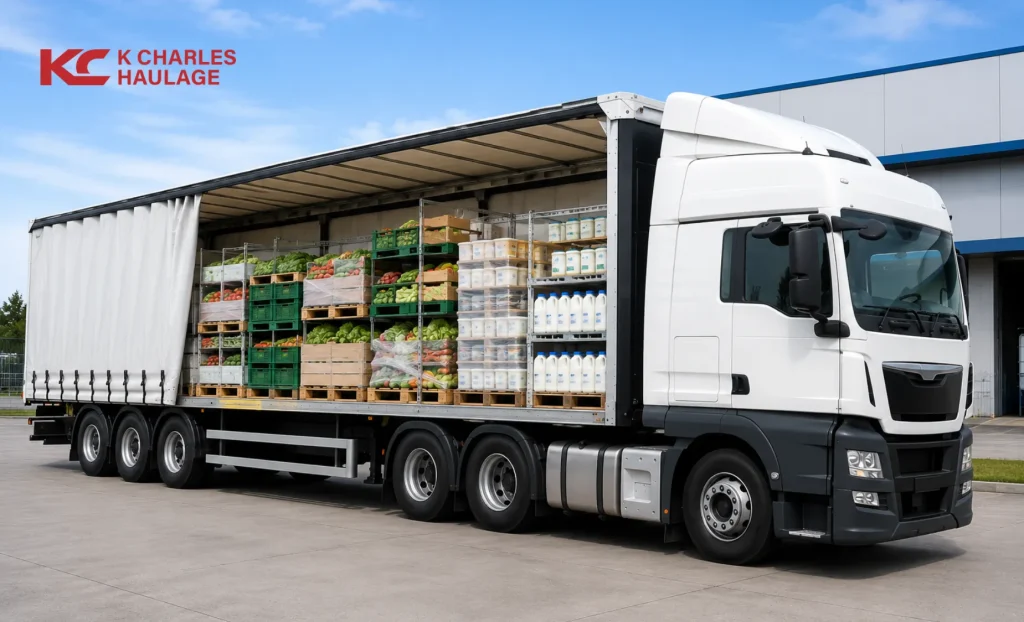
Refrigerated transport is essential for chilled food, which must be maintained at 2°C-8°C to preserve freshness and minimise bacterial growth. Products such as fresh produce, dairy products, cooked meats, seafood, and ready meals rely on consistent temperature control to maintain quality and extend shelf life. Keeping chilled food within the recommended temperature range also helps businesses comply with UK food safety regulations.
- Frozen food
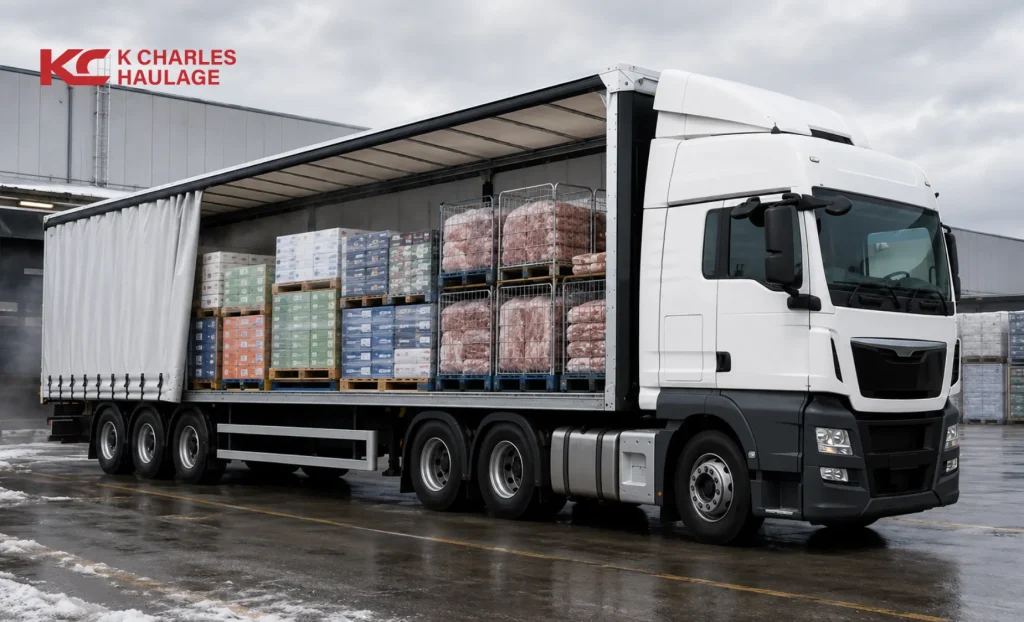
Products such as frozen meat, vegetables, ready meals, and ice cream require refrigerated transport to maintain temperatures between -15°C and -25°C, with -18°C providing the optimal temperature for safe frozen food transport. Maintaining this temperature prevents thawing, preserves texture, flavour, nutritional value, and shelf life, while reducing the risk of spoilage and bacterial contamination. Consistent cold chain management also helps businesses comply with UK food safety regulations and ensures frozen products reach customers in their intended condition.
- Pharmaceuticals and vaccines
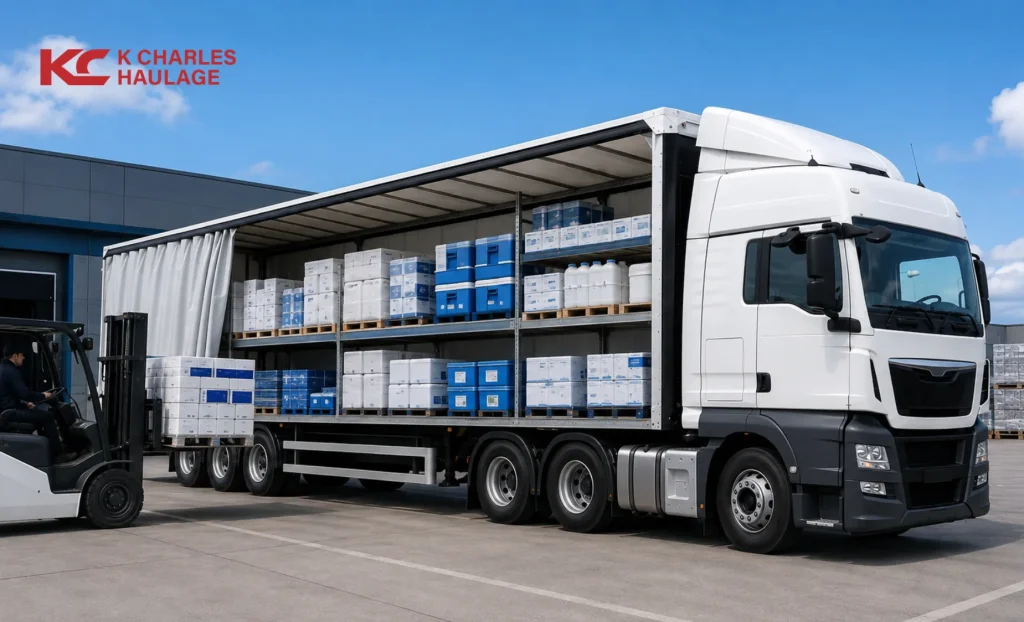
For pharmaceuticals and vaccines, refrigerated transport maintains temperatures between 2°C and 8°C to preserve their safety and effectiveness. Products such as insulin, vaccines, and temperature-sensitive medicines depend on continuous monitoring and GDP-compliant transport to prevent temperature excursions. Maintaining the correct temperature throughout transit helps protect product integrity and supports safe healthcare distribution.
- Medical samples
Blood samples, pathology specimens, tissue samples, and other biological materials depend on refrigerated transport to maintain temperatures between 2°C and 8°C throughout transit. Stable temperature control preserves sample integrity, prevents degradation, and ensures accurate laboratory testing and diagnosis. Continuous monitoring and timely delivery also help healthcare providers meet regulatory requirements while protecting the reliability of critical medical samples.
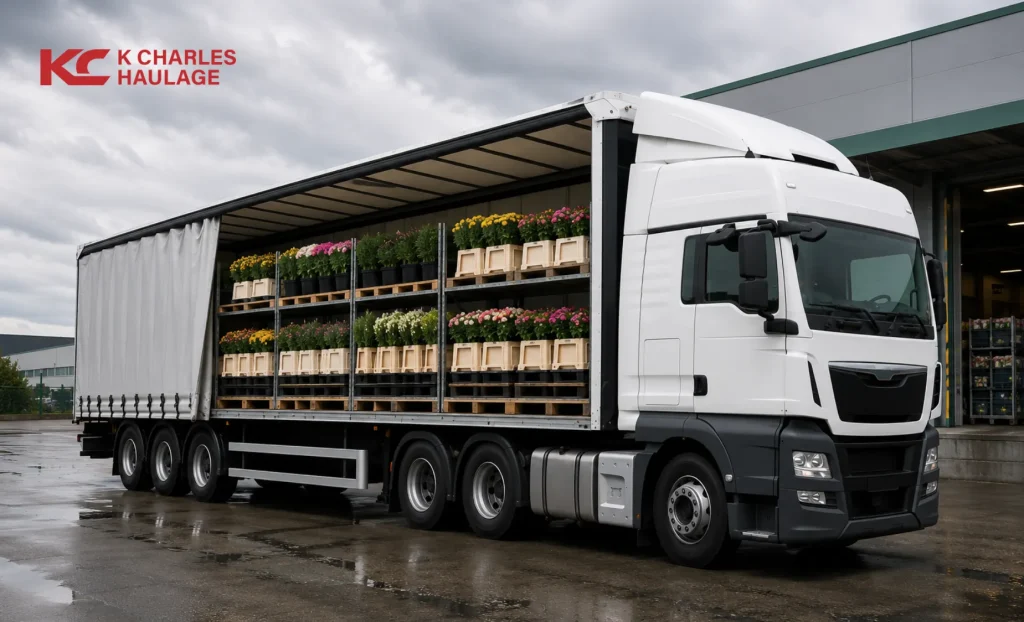
- Flowers and plants
Cut flowers, potted plants, and other horticultural products require refrigerated transport to maintain freshness and prevent wilting during transit. Most cut flowers are transported between 8°C and 15°C, while delicate varieties may require 2°C to 8°C. Maintaining these temperatures reduces moisture loss, preserves appearance and quality, and helps ensure floral products reach retailers and customers in excellent condition.
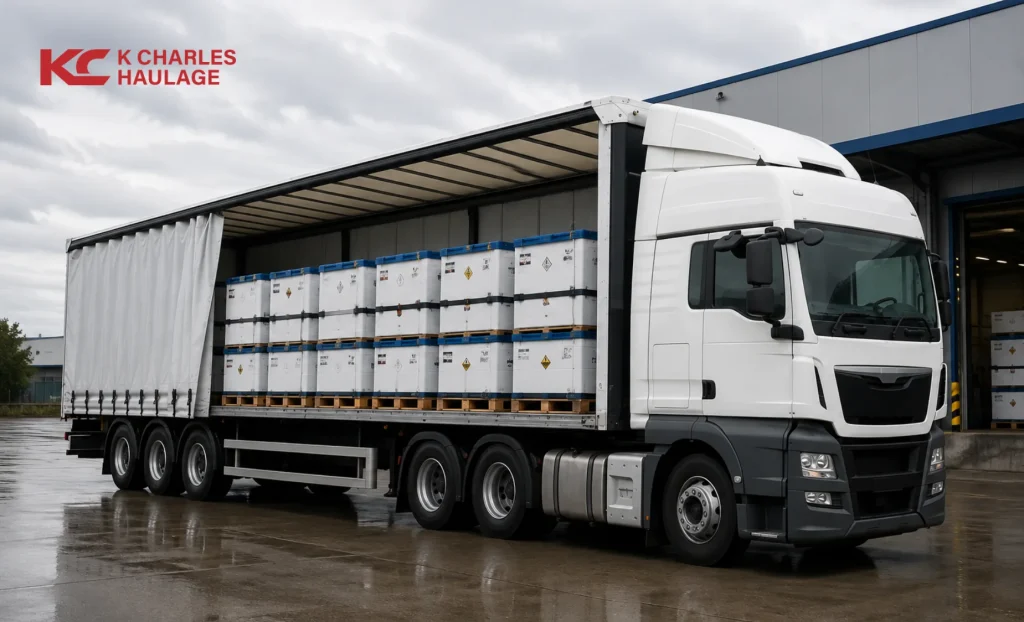
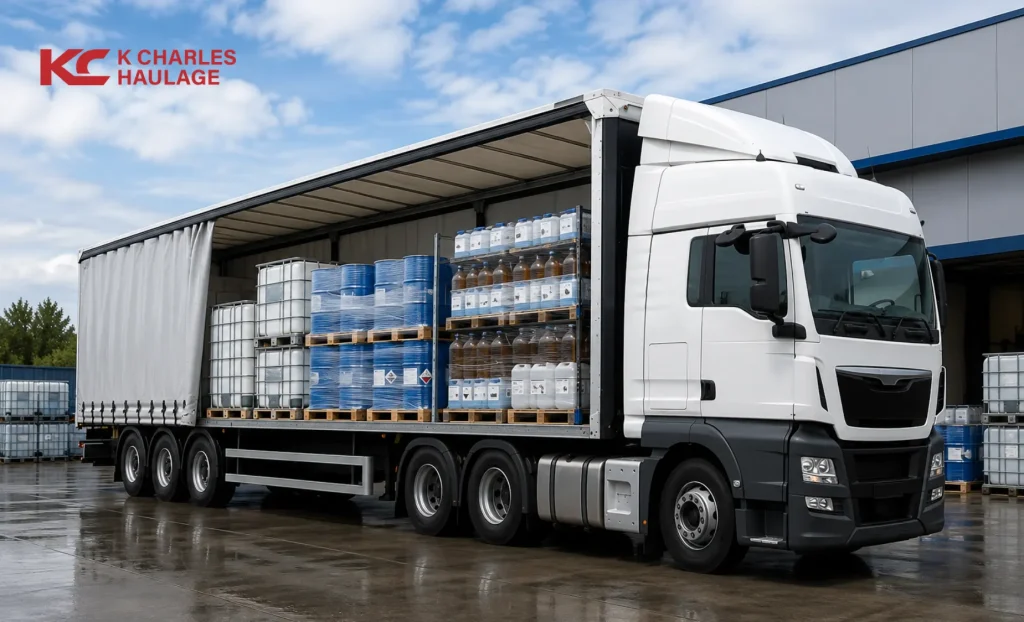
- Chemicals and lab products
Chemical products such as laboratory reagents, specialised chemicals, adhesives, and temperature-sensitive paints rely on refrigerated transport to maintain stable temperatures throughout transit. Controlled conditions help prevent degradation, preserve chemical stability and product performance, and reduce the risk of hazardous reactions. Maintaining the required temperature also supports compliance with industry handling, storage, and safety regulations.
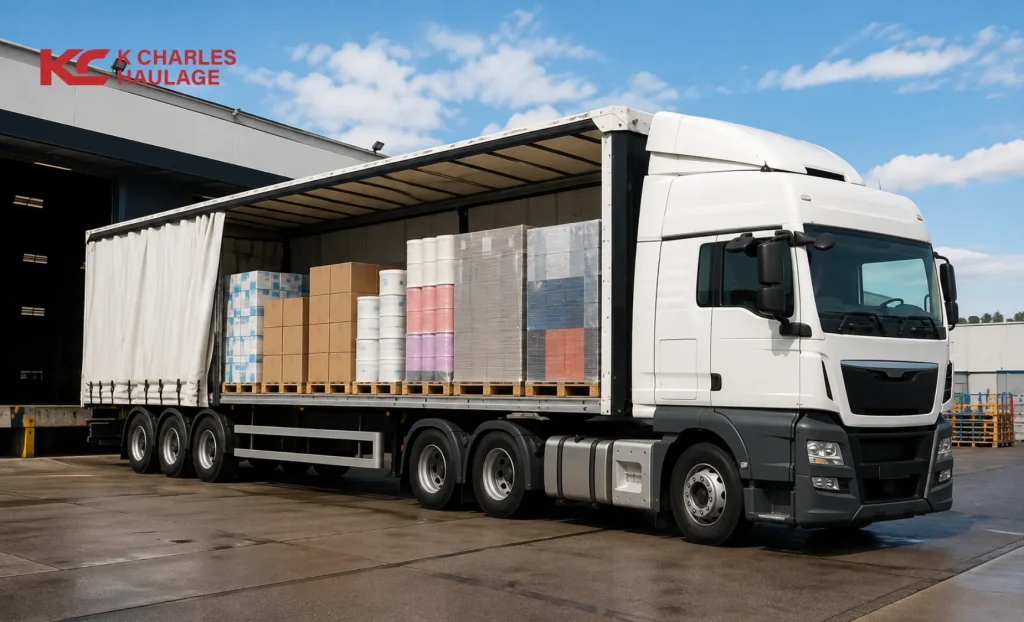
- Other temperature-sensitive goods
Beyond food and healthcare products, refrigerated transport also protects other temperature-sensitive goods such as cosmetics, fine art, industrial adhesives, and speciality materials. Controlled temperatures help prevent melting, separation, warping, and other forms of damage, ensuring products retain their quality, functionality, and value throughout the supply chain.
What Temperature Is Required for Different Products?
The temperature required for different products ranges from deep-frozen transport at -25°C to -18°C to controlled ambient transport at 15°C to 25°C, with specific temperature ranges for frozen goods, chilled food, pharmaceuticals, and other temperature-sensitive products to maintain their quality, safety, and regulatory compliance throughout transit. Maintaining the correct temperature throughout the cold chain helps prevent spoilage, preserve product integrity, and ensure goods reach their destination in the required condition.
Below are the temperatures required for different products:
- Deep Frozen Goods (-25°C to -30°C): Speciality seafood and long-term frozen storage products require ultra-low temperatures to prevent degradation and preserve product quality during transport.
- Frozen Goods (-15°C to -25°C): Frozen products such as ice cream, frozen vegetables, meat, and ready meals must remain within this temperature range to prevent thawing, maintain food safety, and preserve quality.
- Chilled Foods (2°C to 5°C): Dairy products, fresh meat, seafood, and ready meals are ideally transported within this range to slow bacterial growth, maintain freshness, and extend shelf life.
- Chilled Produce (0°C to 8°C): Fresh fruit, lettuce, berries, and vegetables require controlled temperatures to retain their texture, flavour, nutritional value, and overall freshness throughout transit.
- Pharmaceuticals and Vaccines (2°C to 8°C): Medicines such as insulin, vaccines, and other temperature-sensitive healthcare products require strict temperature control to maintain their safety, stability, and effectiveness.
- Controlled Ambient Products (12°C to 15°C): Products including certain cosmetics, fine art, and other sensitive goods are transported within this range to protect them from damage caused by excessive heat or cold.
Why Is Refrigerated Transport Important?
Refrigerated transport is important because it maintains product quality, preserves freshness, supports the cold chain, reduces spoilage, meets food safety requirements, protects pharmaceuticals, and ensures the safe delivery of temperature-sensitive goods. Consistent temperature control helps businesses protect product integrity, comply with regulations, and deliver goods in the required condition.
8 major reasons why refrigerated transport is important include:
- Maintains Product Quality
Product quality depends on consistent temperature control throughout the supply chain, making refrigerated transport essential for preserving perishable goods. Maintaining the required temperature protects the texture, flavour, appearance, and nutritional value of products such as fresh meat, seafood, dairy, and frozen foods. Stable conditions also reduce quality deterioration during transit, ensuring goods reach retailers and customers in their intended condition.
- Preserves Freshness
Refrigerated transport preserves freshness by maintaining stable temperatures that slow natural deterioration and bacterial growth. Fresh fruit, vegetables, dairy products, seafood, and ready meals remain in optimal condition throughout transit, helping extend shelf life and retain their taste, texture, and appearance. This consistent temperature control enables businesses to deliver fresher products while reducing the likelihood of quality-related customer complaints.
- Supports Cold Chain Logistics
Maintaining an uninterrupted cold chain is only possible with refrigerated transport, which keeps products within their required temperature range from collection to final delivery. Continuous refrigeration prevents temperature fluctuations that could compromise sensitive goods during loading, transport, or unloading. This reliable process supports industries such as food, pharmaceuticals, and healthcare, where product integrity depends on consistent temperature management.
- Reduces Spoilage and Waste
Perishable goods such as fresh produce, dairy products, meat, seafood, and frozen foods experience less spoilage when transported using refrigerated transport, which maintains stable temperatures throughout transit. Controlled conditions prevent thawing, bacterial growth, moisture loss, and premature deterioration that can make products unsuitable for sale or consumption. Lower spoilage rates help businesses reduce financial losses, improve inventory management, and minimise waste across the supply chain.
- Meets Food Safety Requirements
Compliance with UK food safety regulations relies on refrigerated transport maintaining approved temperature ranges for chilled and frozen products. Accurate temperature control limits bacterial growth and contamination while helping businesses comply with legal transport requirements. Many refrigerated vehicles also use digital temperature monitoring systems to record conditions throughout the journey and provide evidence of regulatory compliance.
- Protects Pharmaceutical Efficacy
Medicines and vaccines remain safe and effective when refrigerated transport maintains the strict temperatures required during distribution. Temperature-sensitive products such as insulin, vaccines, and biological medicines can lose their effectiveness if exposed to unsuitable conditions. Continuous monitoring and GDP-compliant transport help preserve product stability while ensuring healthcare providers receive medicines in the required condition.
- Improves Supply Chain Reliability
Reliable deliveries depend on refrigerated transport, which maintains consistent temperatures while reducing the risk of damaged or rejected shipments. Real-time monitoring, efficient route planning, and controlled transport conditions improve delivery accuracy and operational efficiency. This reliability helps businesses maintain customer confidence and ensures temperature-sensitive goods arrive on schedule.
- Supports Public Health
Public health is protected through refrigerated transport, which safely delivers food, medicines, and healthcare products under controlled temperature conditions. Proper refrigeration reduces the risk of foodborne illnesses, prevents pharmaceutical degradation, and preserves the safety of temperature-sensitive products. Maintaining these standards helps ensure consumers receive safe, high-quality products across the healthcare and food supply chains.
What Are the Challenges of Refrigerated Transport?
The challenges of refrigerated transport include maintaining temperature consistency, preventing cold chain breaks, managing equipment failures, controlling operating costs, meeting food safety regulations, and avoiding spoilage, contamination, delivery delays, and gaps in temperature monitoring. Effectively managing these issues helps protect product quality, maintain regulatory compliance, and ensure temperature-sensitive goods are delivered safely.
Key challenges of refrigerated transport are:
- Temperature consistency
Maintaining a consistent temperature is a major challenge because even small temperature fluctuations can reduce product quality and shorten shelf life. Frequent door openings, external weather conditions, and improper loading can cause temperature variations that increase the risk of spoilage during transit.
- Cold chain breaks
Any interruption in the cold chain can put temperature-sensitive goods at immediate risk during transport. Delays, prolonged door openings, or improper handling may expose products to unsuitable temperatures, affecting their safety, quality, and regulatory compliance.
- Refrigeration system failure
Mechanical faults, power issues, or poor maintenance can stop the system from maintaining the required temperature, increasing the risk of product damage and delivery delays. Continuous cooling depends on the refrigeration unit’s reliable performance throughout transit.
- Route and delivery delays
Unexpected delays can make it harder to keep temperature-sensitive goods within their required conditions until delivery. Traffic congestion, adverse weather, and vehicle breakdowns can extend transit times and place additional pressure on refrigeration systems.
- Fuel and operating costs
Continuous refrigeration, increased fuel consumption, regular servicing, and equipment maintenance all contribute to higher refrigerated transportation costs. Running refrigerated vehicles involves higher operating expenses than standard freight transport.
- Food safety compliance
Complying with food safety regulations requires strict temperature control throughout every stage of transportation. Businesses must maintain approved temperature ranges, accurate monitoring records, and proper handling practices to meet legal and industry requirements.
- Spoilage and contamination
Exposure to unsuitable temperatures or improper handling can promote bacterial growth, reduce product quality, and render goods unsafe for use or consumption. Protecting temperature-sensitive goods from spoilage and contamination requires consistent environmental control during transit.
- Temperature monitoring gaps
Missing temperature information makes it difficult to identify deviations, demonstrate compliance, and verify that products remained within the required temperature range during refrigerated transport. Without continuous monitoring, businesses may struggle to detect temperature fluctuations before they affect product quality or safety.
What Regulations Apply to Refrigerated Transport in the UK?
The regulations that apply to refrigerated transport in the UK include food safety and hygiene rules, temperature control requirements, cold chain compliance, vehicle approval and maintenance standards, temperature monitoring records, and environmental and emissions regulations. Following these helps ensure the safe, compliant, and efficient transport of temperature-sensitive goods in the UK.
Below are the regulations that apply to refrigerated transport in the UK:
- Food safety and hygiene rules
In the UK, regulations such as the Food Safety and Hygiene (England) Regulations 2013 require refrigerated vehicles to maintain hygienic conditions, appropriate temperatures, and safe handling practices. Food safety and hygiene rules ensure that temperature-sensitive goods are transported safely, free of contamination and bacterial growth. Compliance with these requirements protects product quality, safeguards consumer health, and supports legal food transportation.
- Temperature control requirements
To preserve the quality of temperature-sensitive goods, refrigerated transport must meet specific temperature control requirements throughout transit. Chilled foods should be transported at 8°C or below, with 0°C to 5°C considered best practice, while frozen products must remain at -18°C or below. Continuous monitoring with calibrated temperature-recording equipment helps verify compliance, reduce spoilage, and maintain product safety.
- Cold chain compliance
Cold chain compliance ensures that temperature-sensitive goods remain within their required temperature range throughout every stage of transport and storage. This requires continuous temperature monitoring, accurate documentation, and compliance with recognised standards such as HACCP and the ATP Agreement. Maintaining an uninterrupted cold chain preserves product quality, prevents spoilage, and helps businesses meet regulatory obligations.
- Vehicle approval and maintenance
Reliable temperature control depends on refrigerated vehicles that, where applicable, comply with ATP certification requirements and operate safely throughout every journey. Refrigerated trucks and trailers must pass regulatory inspections to verify the performance of their refrigeration systems and insulation. Routine servicing of refrigeration units, door seals, and temperature sensors, together with documented maintenance records, helps ensure safe, reliable, and compliant refrigerated transport.
- Temperature monitoring records
Accurate temperature records are essential for proving that temperature-sensitive goods remained within safe limits during transport across the UK. Refrigerated transport uses digital data loggers, wireless sensors, and cloud-based monitoring systems to continuously record temperatures. These records support regulatory compliance, improve traceability, and provide evidence that products were transported under the required conditions.
- Environmental and emissions rules
Refrigerated transport must comply with Euro emissions standards and, where applicable, meet Low Emission Zone (LEZ) requirements. Regular vehicle inspections, approved emission control systems, and ongoing maintenance help reduce emissions while supporting legal and sustainable transport operations. Reducing the environmental impact of refrigerated vehicles is an important requirement for transport operators across the UK.
How Much Does Refrigerated Transport Services Cost?
Refrigerated transport Services in the UK cost between £1.50 and £3.00 per mile, depending on the shipment requirements. Chilled transport (2°C to 8°C) ranges from £1.50 to £2.00 per mile, while frozen transport (-18°C or below) costs £1.80 to £2.50 per mile. Dual-temperature vehicles are usually priced between £2.20 and £3.00 per mile, whereas controlled ambient transport (15°C to 25°C) is priced between £1.40 and £1.80 per mile. Final pricing depends on the temperature requirement, vehicle type, transport distance, and any specialised handling services.
What Should You Look for in a Refrigerated Transport Service?
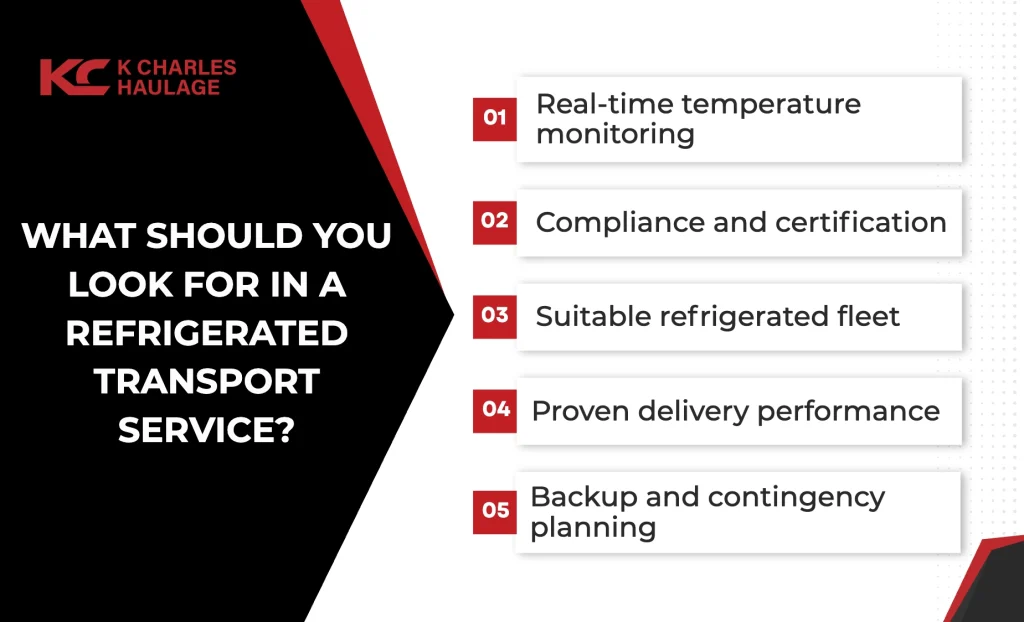
When choosing a refrigerated transport service in the UK, look for providers that offer real-time temperature monitoring, UK regulatory compliance and certifications, a suitable refrigerated fleet, proven delivery performance, and effective backup and contingency planning. These factors help ensure your refrigerated haulage service transports temperature-sensitive goods safely, reliably, and in accordance with UK industry standards and legal requirements.
Key factors to look for in a refrigerated transport service include:
- Real-time temperature monitoring
Choose a refrigerated transport service provider with real-time temperature monitoring that uses digital sensors and automated alerts. Continuous tracking detects temperature deviations quickly, helping maintain the cold chain, protect product quality, and ensure compliance during transport.
- Compliance and certification
Verify that the refrigerated transport service provider holds recognised certifications such as ATP, HACCP, and BRC. These certifications demonstrate compliance with food safety, temperature control, and quality standards, ensuring temperature-sensitive goods are transported safely and legally.
- Suitable refrigerated fleet
Ensure the refrigerated transport service provider has refrigerated vehicles that match your shipment requirements. A suitable fleet should include well-maintained vans, trucks, or trailers capable of maintaining the required temperatures for different cargo sizes and delivery needs.
- Proven delivery performance
Review the refrigerated transport service provider’s delivery history, customer feedback, and on-time performance to assess their reliability. A consistent record of successful deliveries indicates that the provider can safely transport temperature-sensitive goods, maintain product quality, and meet agreed-upon delivery schedules.
- Backup and contingency planning
Choose a refrigerated haulage provider with effective backup plans for unexpected transport disruptions. Backup vehicles, alternative delivery routes, and emergency procedures help minimise delays, maintain the cold chain, and protect temperature-sensitive goods during transit.