Skip to content
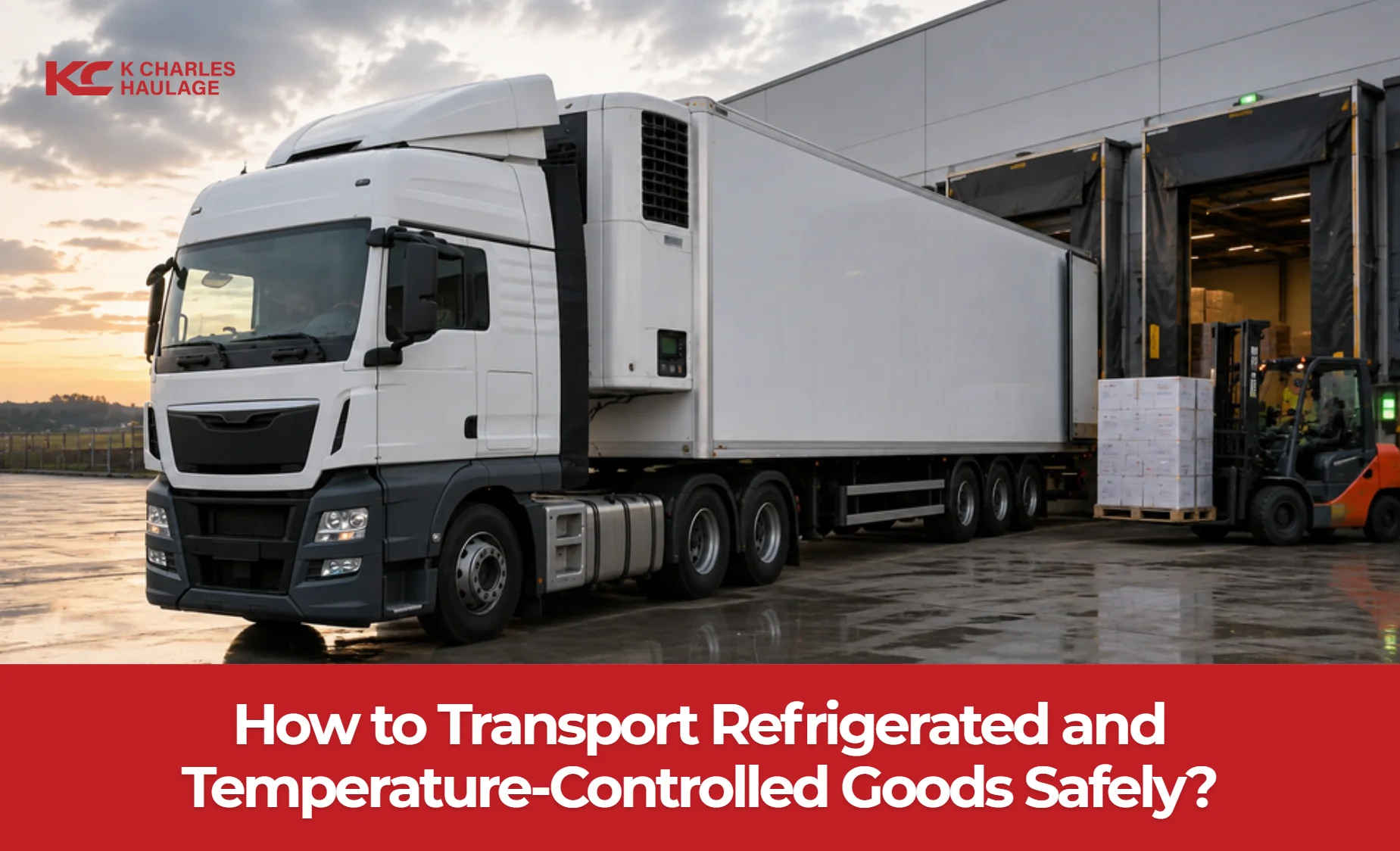
To transport refrigerated and temperature-controlled goods safely, use appropriate packaging, select the right refrigerated vehicle, maintain the required temperature before loading, reduce door opening during transit, and conduct regular vehicle and equipment checks. Additionally, train drivers and staff, use remote temperature monitoring, validate delivery temperatures, and prepare for equipment failures and emergencies to maintain cold chain integrity throughout transportation.
Different products require specific temperature-controlled conditions, including frozen food, fresh produce, dairy products, meat and seafood, pharmaceuticals, vaccines, blood and blood products, biological samples, chemicals, flowers, and cosmetics. Refrigerated freight maintains temperature ranges from −25°C to +25°C, covering deep frozen, frozen, chilled, cool, pharmaceutical cold chain, controlled cool, and controlled ambient transport to preserve product quality, safety, and regulatory compliance. Throughout the journey, real-time GPS tracking, temperature sensors, cloud monitoring, automated alerts, and compliance reports provide continuous visibility into shipment conditions, enabling rapid corrective action and documented proof that temperature-sensitive goods remained within their required temperature ranges until delivery.
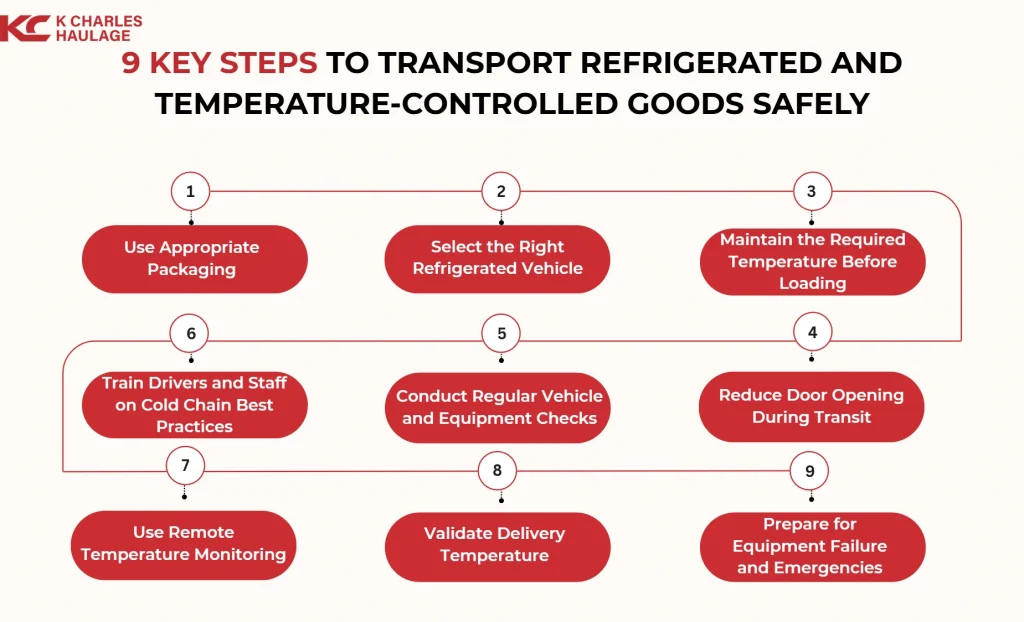
9 key steps to transport refrigerated and temperature-controlled goods safely are:
- Use Appropriate Packaging
- Select the Right Refrigerated Vehicle
- Maintain the Required Temperature Before Loading
- Reduce Door Opening During Transit
- Conduct Regular Vehicle and Equipment Checks
- Train Drivers and Staff on Cold Chain Best Practices
- Use Remote Temperature Monitoring
- Validate Delivery Temperature
- Prepare for Equipment Failure and Emergencies
- Use Appropriate Packaging
To maintain the required temperature throughout transportation, start by choosing packaging that matches the specific needs of your cargo. Select suitable insulated packaging, such as insulated boxes, thermal blankets, or vacuum-insulated panels, and use passive cooling solutions, including gel packs, dry ice, or Phase Change Materials (PCMs), according to whether you are transporting pharmaceuticals, fresh produce, or frozen goods.
Once the correct packaging has been selected, inspect every container before loading. Ensure the materials are food-grade, moisture-resistant, and strong enough to withstand repeated handling across the UK distribution network. Replace damaged or poorly sealed packaging immediately to avoid heat infiltration. Following these steps creates a reliable thermal barrier, protects product quality, and significantly reduces the risk of spoilage throughout the journey.
- Select the Right Refrigerated Vehicle
With the products securely packaged, the next priority is selecting a refrigerated vehicle capable of maintaining the required transport temperature. Assess the volume, fragility, and temperature requirements of your cargo before choosing a vehicle. If the shipment contains ambient, chilled, and frozen goods, select a vehicle equipped with certified multi-compartment refrigeration units to keep each product category within its specified temperature range.
After selecting the vehicle, inspect its thermal performance before loading begins. Verify that the body features high-density polyurethane insulation, airtight door seals, and a fully functioning refrigeration system. If transporting goods across the UK, confirm that the vehicle carries ATP certification to demonstrate compliance with recognised thermal efficiency standards. Completing these checks helps maintain a stable environment throughout the journey.
- Maintain the Required Temperature Before Loading
Once the cargo compartment has been prepared, start the refrigeration unit early enough to achieve the specified temperature, such as 0°C to +5°C for fresh meat or approximately -18°C for frozen goods. Avoid loading products into a warm trailer, as this can immediately increase their core temperature and reduce their shelf life.
After the compartment has reached the target temperature, verify the readings using calibrated data loggers or digital temperature sensors to confirm the required temperature has remained stable. Wait until the temperature is consistently maintained before loading begins, then load products efficiently to minimise exposure to ambient conditions. Following these steps helps preserve product integrity and maintain an uninterrupted cold chain throughout transportation.
- Reduce Door Opening During Transit
With the cargo loaded under the correct temperature conditions, the next step is to minimise temperature fluctuations while the vehicle is on the road. Plan delivery routes carefully so multiple stops follow the most efficient sequence and unnecessary door openings are avoided. Every time the cargo doors are opened, warm outside air enters the compartment and forces the refrigeration unit to work harder, increasing the risk of localised temperature spikes.
Once deliveries begin, instruct drivers to unload products quickly and keep the doors open only for the time required. Install strip curtains, rear-door air curtains, or insulated bulkhead partitions to reduce cold air loss during unloading. These measures help maintain a stable internal environment and protect temperature-sensitive goods until every delivery is completed.
- Conduct Regular Vehicle and Equipment Checks
After implementing proper loading and delivery practices, maintain your refrigerated vehicle through regular inspections to reduce the risk of unexpected breakdowns. Establish a preventative maintenance schedule that includes checking refrigeration compressors, condenser coils, evaporators, electrical systems, and backup power generators. Detecting worn or damaged components early helps prevent mechanical failures that could interrupt the cold chain.
When inspections are complete, verify refrigerant levels, test electrical standby plugs, and inspect door gaskets for cracks or wear that could allow cold air to escape. Record every inspection, repair, and service in a detailed maintenance log to support regulatory compliance and future maintenance planning. Keeping equipment in peak operating condition improves transport reliability and protects valuable cargo.
- Train Drivers and Staff on Cold Chain Best Practices
With reliable equipment supporting your operation, ensure every employee understands how to maintain the cold chain throughout the transport process. Provide comprehensive training for warehouse staff, loading teams, and drivers on proper product handling, temperature monitoring, and emergency response procedures. Explain how to operate in-cab temperature displays and respond immediately if refrigeration alarms indicate a fault.
After completing the initial training, demonstrate correct pallet loading techniques to maintain unrestricted airflow around the cargo during transit. Schedule regular refresher sessions to reinforce procedures and keep employees informed about updated industry standards and regulations. Well-trained personnel reduce human error and help maintain consistent product temperatures from collection to delivery.
- Use Remote Temperature Monitoring
Once your transportation team is following standard cold chain procedures, introduce remote temperature monitoring to gain continuous visibility into cargo conditions. Install wireless temperature sensors and data loggers inside the refrigerated compartment so temperatures can be monitored throughout the journey. Connect these devices to cloud-based telematics systems that allow fleet managers to review live temperature data from any location.
To complete the setup, configure automatic SMS or email alerts to notify operators whenever temperatures move outside predetermined safety limits. Respond immediately to every alert by investigating the cause and arranging corrective action before product quality is affected. Continuous monitoring enables faster decision-making and significantly reduces the risk of product losses during transport.
- Validate Delivery Temperature
After the shipment reaches its destination, confirm that the required temperature has been maintained before unloading is completed. Review digital temperature records from the onboard data logger and compare them with the required transport conditions. Carry out spot checks using calibrated penetration thermometers on representative products while following procedures that prevent contamination or product damage.
Once the temperature has been verified, ask both the driver and the receiving party to sign a temperature compliance report confirming the shipment remained within specification throughout transit. Store these records as part of your cold chain documentation to support traceability, quality assurance, and regulatory compliance. Completing this verification process provides evidence that products arrived in suitable condition.
- Prepare for Equipment Failure and Emergencies
Finally, prepare for unexpected situations by creating a contingency plan that protects temperature-sensitive goods if refrigeration equipment fails or transport is disrupted. Develop clear procedures covering mechanical breakdowns, heavy traffic delays, road accidents, and power failures that could interrupt the cold chain. Identify nearby cold storage facilities and establish agreements with emergency recovery providers that can supply refrigerated replacement vehicles when required.
To put your emergency plan into action, train drivers and operational staff to follow it confidently during real incidents. Review and test the contingency plan regularly to confirm every team member understands their responsibilities and response times. Maintaining a well-practised emergency plan reduces product losses, protects customer confidence, and ensures the cold chain remains intact under challenging conditions.
What Goods Require Refrigerated or Temperature-Controlled Transport?
Refrigerated or temperature-controlled transport is used for perishable food, healthcare products, and other temperature-sensitive goods, including frozen food, fresh produce, dairy, meat, seafood, pharmaceuticals, vaccines, biological samples, chemicals, flowers, and cosmetics. Maintaining the correct temperature throughout transit preserves product quality, safety, and effectiveness.
11 goods that require refrigerated or temperature-controlled transport are:
- Frozen food
Frozen food, including ready meals, frozen vegetables, pastries, and ice cream, requires refrigerated transport between −18°C and −25°C to preserve its quality, texture, and food safety. Products such as ready meals, frozen vegetables, pastries, and ice cream require consistent freezing conditions because thawing causes ice crystal formation, damages texture, reduces nutritional value, and encourages bacterial growth. Deep-frozen export products require temperatures as low as −30°C to maintain product integrity during long-distance transportation.
- Fresh produce
From farms and packing houses to distribution centres and retailers, fresh produce such as berries, leafy greens, tomatoes, and tropical fruits requires refrigerated transport between +2°C and +12°C to maintain freshness. These fruits and vegetables continue to respire after harvest, generating heat that accelerates ripening, moisture loss, and spoilage. Tropical fruits, including bananas, require temperatures between +13°C and +15°C to prevent chilling injury while preserving quality.
- Dairy products
Dairy products such as milk, cream, butter, yoghurt, and cheese rely on refrigerated transport between +1°C and +5°C to preserve freshness, maintain food safety, and prevent bacterial growth. Their high protein and fat content creates an ideal environment for harmful bacteria when temperatures rise above the recommended range. Maintaining continuous refrigeration prevents souring, separation, mould growth, and product deterioration.
- Meat & seafood
Beef, poultry, pork, fish, and shellfish spoil quickly at higher temperatures, making refrigerated transport essential to maintain −1°C to +2°C for fresh meat, 0°C to +2°C for fresh seafood, and −18°C or below for frozen products. These products contain high moisture and nutrients that create ideal conditions for bacterial growth when temperature control is lost. Maintaining the required temperature throughout transportation preserves freshness, extends shelf life, prevents spoilage, and reduces the risk of foodborne illnesses.
- Pharmaceuticals
Refrigerated transport protects temperature-sensitive pharmaceuticals such as insulin, injectable medicines, and biologics by maintaining temperatures between +2°C and +8°C throughout distribution. Heat degrades active pharmaceutical ingredients, while freezing damages sensitive biological formulations. Medicines stored under controlled room temperature remain between +15°C and +25°C to comply with MHRA Good Distribution Practice (GDP) requirements.
- Vaccines
Vaccines require refrigerated transport between +2°C and +8°C to preserve their potency and ensure they remain safe and effective until administration. Exposure to excessive heat degrades biological components, while accidental freezing damages vaccine formulations and reduces their effectiveness. Maintaining an uninterrupted cold chain protects vaccine quality throughout distribution.
- Blood and blood products
Blood and blood products remain safe for transfusion only when refrigerated transport maintains temperatures between +2°C and +6°C throughout distribution. Whole blood, plasma, and other blood components deteriorate rapidly outside their specified storage conditions, while frozen plasma requires sub-zero temperatures to preserve its biological properties. Continuous temperature control protects product integrity and supports patient safety.
- Biological samples
Accurate laboratory testing begins with refrigerated transport that maintains biological samples between +2°C and +8°C or as low as −80°C for specialised specimens. Tissue samples, blood specimens, pathology materials, and clinical trial samples degrade through enzymatic activity and cellular breakdown when exposed to unsuitable temperatures. Maintaining precise thermal conditions preserves sample viability and ensures reliable diagnostic results.
- Chemicals
Temperature-sensitive chemicals, including laboratory reagents, industrial chemicals, adhesives, and catalysts, require refrigerated transport between +2°C and +8°C or controlled temperatures of +15°C to +25°C to maintain stability during transit. Exposure to excessive heat can cause degradation, evaporation, or hazardous chemical reactions, compromising product quality and safety. Maintaining the required temperature ensures compliance with Safety Data Sheet (SDS) storage requirements while preserving chemical composition and supporting safe transportation.
- Flowers
Refrigerated transport preserves the freshness of cut flowers and ornamental plants by maintaining temperatures between +2°C and +8°C from harvest to delivery. Heat accelerates respiration, moisture loss, premature blooming, stem dehydration, and ethylene production, reducing both appearance and vase life. Consistent cooling keeps floral products fresh until they reach florists, retailers, or event venues. Maintaining the correct temperature also preserves colour, fragrance, and overall visual quality, ensuring flowers arrive in market-ready condition.
- Cosmetics
Premium skincare products, perfumes, and beauty formulations benefit from refrigerated transport between +8°C and +15°C or controlled room temperatures of +20°C to +25°C to preserve their formulation. Active ingredients such as vitamin C, retinol, and botanical oils deteriorate when exposed to excessive heat or freezing conditions. Temperature-controlled handling prevents oxidation, ingredient separation, discoloration, and loss of product performance.
What Range Of Temperature Can Refrigerated Freight Transport Maintain?
Refrigerated freight transport can maintain temperatures between −25°C and +25°C, covering deep frozen (−25°C to −18°C), frozen (−18°C to −12°C), chilled (0°C to 5°C), cool (5°C to 8°C), pharmaceutical cold chain (2°C to 8°C), controlled cool (8°C to 15°C), and controlled ambient (15°C to 25°C) transport requirements. Selecting the appropriate temperature range ensures products remain safe, stable, and compliant with industry storage and transportation standards throughout the journey.
Below are the different temperature ranges refrigerated freight can transport:
- Deep Frozen Goods (-25°C to -30°C): This ultra-low temperature range is used for speciality seafood, premium frozen products, and long-term frozen storage to prevent freezer burn, preserve texture, and maintain product quality during extended transportation.
- Frozen Goods (-15°C to -25°C): Frozen food, including ice cream, frozen vegetables, meat, and ready meals, is transported within this range to prevent thawing, inhibit bacterial growth, and maintain food safety, flavour, and texture.
- Chilled Foods (2°C to 5°C): Dairy products, fresh meat, seafood, and ready meals are kept within this temperature range to slow bacterial growth, preserve freshness, and extend shelf life without freezing the products.
- Chilled Produce (0°C to 8°C): Fresh fruits, leafy greens, berries, and vegetables are transported under controlled cooling to reduce respiration, minimise moisture loss, and retain their texture, flavour, nutritional value, and appearance.
- Pharmaceuticals and Vaccines (2°C to 8°C): This temperature range protects medicines such as insulin, vaccines, biologics, and other temperature-sensitive healthcare products by preserving their stability, potency, and therapeutic effectiveness throughout distribution.
- Controlled Ambient Products (12°C to 15°C): Sensitive products such as selected cosmetics, fine art, specialty chemicals, and electronic components are maintained within this range to minimise temperature-related damage, preserve product integrity, and support safe transportation.
How Can You Monitor Temperature Throughout Transportation?
You can monitor temperature throughout transportation using real-time GPS tracking, temperature sensors, cloud-based monitoring, automated alerts, and compliance reports to maintain cold chain integrity and product safety. These technologies provide continuous visibility into shipment conditions, enabling immediate corrective action when temperature deviations occur and supporting compliance with cold chain regulations.
The following five technologies provide continuous temperature monitoring throughout the cold chain:
- Real-Time GPS Tracking
Real-time GPS tracking uses satellite positioning systems combined with cellular networks to continuously monitor a refrigerated vehicle’s location, route, speed, and estimated time of arrival (ETA). In refrigerated freight transport, GPS systems are integrated into vehicles or smart containers and linked with temperature monitoring data. This enables fleet managers to identify where delays or traffic congestion occur if a temperature excursion happens, allowing them to optimise delivery routes, improve operational efficiency, and maintain cold chain integrity throughout the journey.
- Temperature Sensors
Temperature sensors are calibrated electronic devices, including thermocouples, thermistors, and digital data loggers, that continuously measure cargo temperatures during transportation. Installed inside refrigerated trailers or individual pallet packaging, these sensors record ambient air or product core temperatures at regular intervals, every 1 to 5 minutes. The collected data is transmitted to the vehicle’s control unit, providing drivers and fleet managers with real-time visibility of temperature conditions and enabling immediate action if temperatures move outside the required range.
- Cloud Monitoring
A refrigerated fleet can be monitored remotely through cloud monitoring, which uses secure, web-based software platforms to collect, process, and store data from GPS devices and temperature sensors. Instead of waiting for a vehicle to return to the depot, logistics managers can access live dashboards from any internet-connected device to monitor shipments in real time. The platform displays live temperatures, historical trends, vehicle locations, and fleet-wide performance, enabling operators to manage multiple refrigerated vehicles simultaneously while maintaining complete cold chain visibility.
- Automated Alerts
Automated alerts are software-generated notifications that immediately warn drivers and fleet managers whenever predefined temperature limits are exceeded. Notifications are delivered through SMS, email, mobile applications, or in-cab display systems, allowing rapid intervention before cargo quality is affected. For example, if a refrigerated trailer carrying chilled food rises above +5°C or vaccines move outside the +2°C to +8°C range, the system instantly issues an alert, reducing human error and preventing costly product losses.
- Compliance Reports
Cold chain compliance is verified through compliance reports that automatically generate digital records of journey duration, location history, and minimum and maximum temperatures. Available in PDF or CSV format, these reports provide verifiable evidence that products remained within their required temperature ranges throughout transportation. Businesses use them to demonstrate compliance with FSA and MHRA requirements while supporting audits and quality assurance.
What Are the Biggest Risks During Temperature-Controlled Transportation?
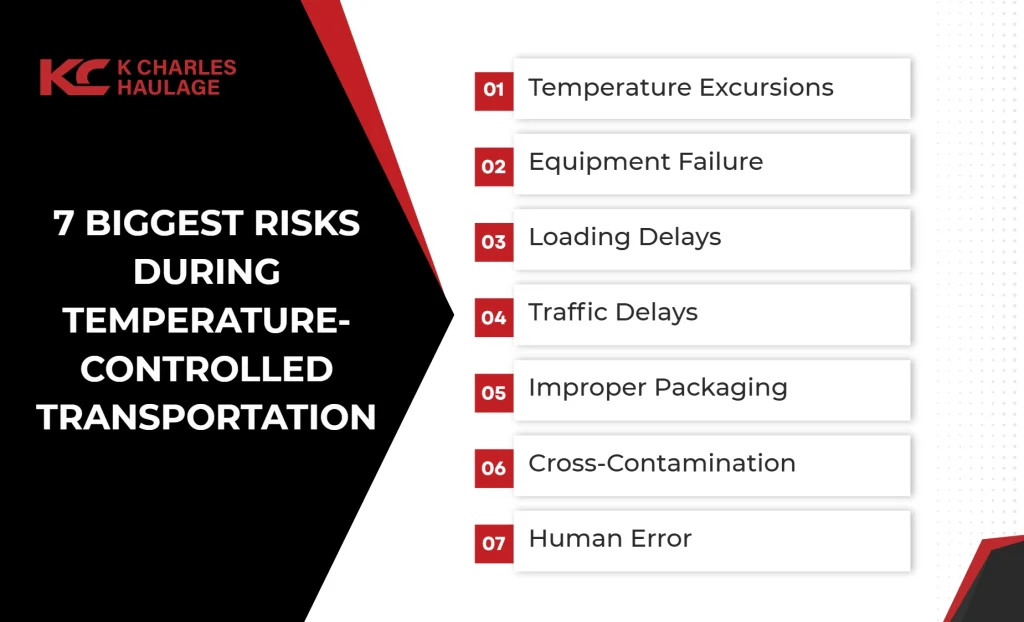
The biggest risks during temperature-controlled transportation include temperature excursions, equipment failure, loading delays, traffic delays, improper packaging, cross-contamination, and human error, all of which can compromise product quality, safety, and cold chain integrity. Identifying and managing these risks through proper planning, continuous monitoring, and preventive measures helps maintain the required temperature, reduce product losses, and ensure regulatory compliance throughout transportation.
7 biggest risks during temperature-controlled transportation are :
- Temperature Excursions: Temperature excursions occur when cargo moves outside its required temperature range due to equipment issues, delays, or operational errors. Even short-term fluctuations can spoil food, reduce pharmaceutical effectiveness, damage sensitive products, and compromise cold chain compliance.
- Equipment Failure: Refrigeration unit failures, faulty temperature sensors, or power supply issues can interrupt temperature control during transportation. Regular maintenance, equipment inspections, and backup systems help prevent product spoilage, delivery delays, and costly cold chain failures.
- Loading Delays: Extended loading or unloading times expose refrigerated cargo to ambient temperatures, allowing heat to enter the vehicle. Efficient loading procedures, dock shelters, and pre-cooled trailers help maintain the required temperature and protect product quality.
- Traffic Delays: Traffic congestion, road closures, and unexpected route disruptions increase transit times and place additional strain on refrigeration systems. Real-time GPS tracking and route planning help minimise delays and maintain consistent cargo temperatures throughout transportation.
- Improper Packaging: Poor insulation, incorrect packaging materials, or inadequate sealing reduce temperature retention and expose products to thermal fluctuations. Using suitable insulated packaging and passive cooling materials helps maintain stable temperatures and protect product integrity.
- Cross-Contamination: Cross-contamination occurs when incompatible products are transported together or handled incorrectly, allowing bacteria, allergens, or chemicals to spread. Proper cargo segregation, hygienic handling, and regular vehicle sanitation reduce contamination risks and protect product safety.
- Human Error: Incorrect temperature settings, poor loading practices, incomplete documentation, or inadequate staff training can disrupt the cold chain. Following standard operating procedures, providing regular employee training, and using automated monitoring systems help minimise human error and maintain compliance.
How Can Temperature Excursions Be Prevented?
Temperature excursions can be prevented through proper route planning, preventive equipment maintenance, driver training, continuous temperature monitoring, and emergency response procedures that work together to maintain cold chain integrity and protect temperature-sensitive cargo. Implementing these preventive measures reduces the risk of temperature deviations, minimises product losses, and ensures compliance with cold chain regulations throughout transportation.
5 key methods to prevent temperature excursions are:
- Proper Route Planning: Route planning identifies the safest and most efficient delivery routes to reduce transit times, avoid traffic delays, and maintain consistent refrigeration, helping protect temperature-sensitive goods throughout transportation.
- Preventive Equipment Maintenance: Regular maintenance of refrigeration units, temperature sensors, and power systems helps prevent equipment failures, maintain consistent cooling performance, and reduce the risk of temperature excursions during transportation.
- Driver Training: Driver training equips operators with the knowledge to manage refrigeration systems, follow cold chain procedures, respond to temperature alerts, and handle temperature-sensitive cargo safely throughout transportation.
- Continuous Temperature Monitoring: Real-time temperature monitoring uses sensors, GPS tracking, and automated alerts to detect temperature changes immediately, allowing corrective action before product quality or cold chain integrity is compromised.
- Emergency Response Procedures: Emergency response procedures provide clear actions for equipment failures, traffic disruptions, or temperature excursions, helping restore the required conditions quickly and minimise product loss during transportation.
Which Transportation Method Is Best for Temperature-Controlled Transport Across UK?
The best transportation methods for temperature-controlled transport across the UK include refrigerated road transport, air freight, ocean freight, refrigerated cargo ships, and rail transport. Selecting the appropriate transportation method helps maintain cold chain integrity, preserve product quality, and ensure reliable delivery of temperature-sensitive goods throughout the supply chain.
5 best transportation methods for temperature-controlled transport across the UK are:
- Refrigerated road transport
Refrigerated road transport is the most widely used temperature-controlled transport method across the UK, providing flexible door-to-door deliveries with precise temperature control. It plays a vital role in refrigerated haulage, ensuring food, pharmaceuticals, and other temperature-sensitive goods are transported safely while maintaining cold chain integrity.
- Air freight
When temperature-sensitive goods require same-day or next-day delivery, air freight is the fastest temperature-controlled transport method. It is commonly used for pharmaceuticals, vaccines, biological samples, and high-value perishables, providing rapid transit while maintaining strict temperature control throughout the journey.
- Ocean freight
Ocean freight is a cost-effective temperature-controlled transport method for moving large volumes of perishable goods over long distances. Refrigerated containers maintain stable temperatures throughout the voyage, making this option suitable for frozen food, fresh produce, dairy products, and other refrigerated cargo across the UK.
- Refrigerated cargo ships
When large quantities of perishable goods need to be transported internationally by sea, refrigerated cargo ships provide a reliable temperature-controlled transport solution. They are purpose-built to carry seafood, meat, fruit, and other temperature-sensitive cargo while maintaining consistent cooling throughout the voyage to preserve product quality and cold chain integrity.
- Rail transport
Rail transport is an efficient and environmentally friendly temperature-controlled transport method for moving refrigerated cargo over long distances. Refrigerated rail containers maintain stable temperatures while reducing road congestion, making this option suitable for food, beverages, pharmaceuticals, and other temperature-sensitive products.
What Equipment Is Used for Temperature-Controlled Transportation?
The equipment used for temperature-controlled transportation includes road transport vehicles, rail transport equipment, air transport equipment, and sea transport equipment, with each designed to maintain the required temperature throughout the journey. Selecting the appropriate transport equipment helps preserve product quality, maintain cold chain integrity, and ensure the safe and compliant transportation of temperature-sensitive goods.
Below is the equipment used for temperature-controlled transportation:
- Road Transport vehicles
Road transport vehicles include refrigerated vans, refrigerated trucks, reefer trailers, and multi-temperature trucks designed to transport temperature-sensitive goods over short and long distances. These vehicles use integrated refrigeration systems to maintain precise temperatures, supporting reliable refrigerated distribution for food, pharmaceuticals, and other perishable products.
- Rail Transport Equipment
For long-distance refrigerated freight, refrigerated railcars and insulated rail containers provide reliable temperature-controlled transport. They maintain stable temperatures throughout the journey, making them suitable for transporting large volumes of food, pharmaceuticals, and other temperature-sensitive cargo while supporting cold chain integrity.
- Air Transport Equipment
When urgent temperature-sensitive shipments travel by air, temperature-controlled air cargo containers, active air cargo containers, and passive air cargo containers protect the cargo throughout transit. These systems maintain the required temperature for pharmaceuticals, vaccines, biological samples, and other high-value products from departure to delivery.
- Sea Transport Equipment
For international maritime transportation, refrigerated shipping containers (reefers) and refrigerated cargo ships maintain the required temperature throughout the voyage. They are widely used to transport frozen food, fresh produce, meat, seafood, pharmaceuticals, and other perishable cargo while preserving product quality and cold chain integrity.