Skip to content
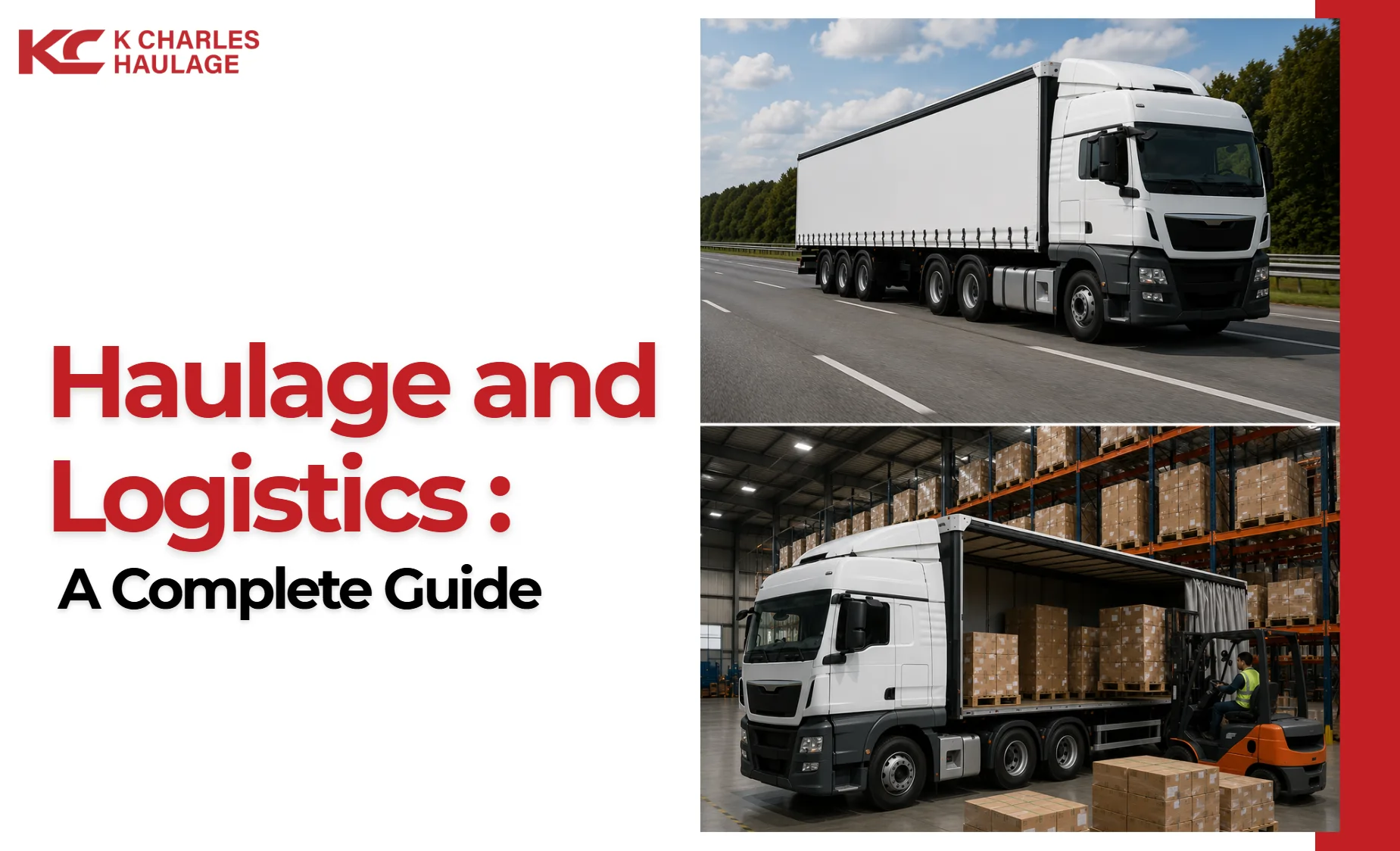
Haulage and logistics are closely connected functions that support the efficient movement of goods throughout the supply chain. Haulage refers to the transportation of goods by road, while a haulier is the individual or company responsible for carrying out that transport. Haulage services include general freight transport, refrigerated haulage, heavy haulage, same-day delivery, and full-load transport.
In contrast, logistics covers the broader management of goods, including transportation planning, warehousing, inventory control, order fulfilment, and supply chain coordination. Although both contribute to the movement of goods, their roles differ in their main functions, scope, services, and core values. Haulage focuses on the physical delivery of freight, whereas logistics manages the processes that ensure goods are stored, distributed, and delivered efficiently.
As part of the wider logistics framework, haulage executes the transportation plans developed through logistics management. This relationship allows businesses to maintain product availability, meet delivery schedules, and support supply chain continuity. Understanding the distinction between haulage, logistics, and freight helps businesses determine whether they require transportation services, supply chain management, or a combination of both to meet their operational needs.
What is The Meaning of Haulage?
Haulage is the commercial transportation of goods by road, using vehicles such as trucks, lorries, and articulated vehicles to move cargo between ports, factories, warehouses, and final destinations. As a specialised component of the broader logistics industry, it focuses on the physical movement of freight, handling everything from general goods to specialised cargo across local, regional, and national routes.
By providing reliable transport services, haulage enables businesses to maintain inventory levels, fulfil customer orders, and ensure the smooth flow of goods throughout the supply chain. Its role is essential to efficient transportation management and overall business continuity.
What is Included in Haulage Services?
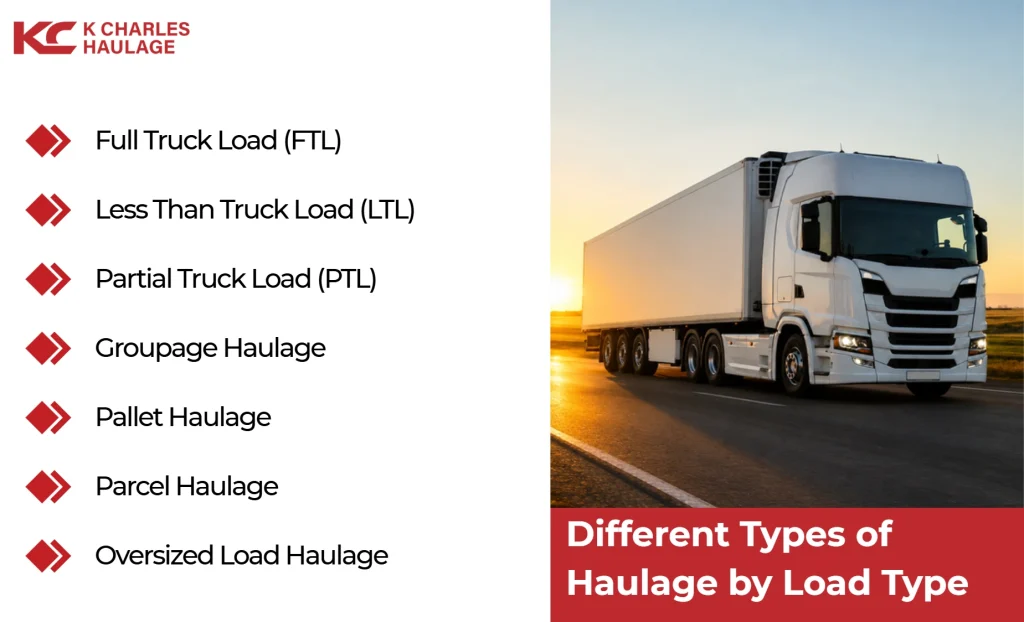
Haulage services include general, heavy, refrigerated, same-day, and full-load transport, all of which support the efficient movement of goods across local, national, and international road networks through heavy goods vehicles (HGVs) or specialised lorries. These services help businesses transport products, materials, and equipment safely and on schedule, ensuring smooth supply chain operations and reliable order fulfilment throughout the UK and Europe.
Common types of haulage services include:
- General Haulage: Transports everyday commercial freight, including retail products, packaged goods, and raw materials.
- Heavy Haulage: Moves oversized or overweight cargo such as construction machinery, industrial equipment, and large structural components using specialised vehicles and permits.
- Refrigerated Haulage: Provides temperature-controlled transportation for perishable or sensitive goods, including food, pharmaceuticals, and certain chemicals.
- Same-Day Haulage: Delivers urgent shipments that require immediate transportation, such as emergency supplies, replacement parts, or time-critical goods.
- Full-Load Transport: Dedicates an entire vehicle to a single shipment, allowing for direct transportation, improved efficiency, and reduced handling.
What Does Haulier Mean?
A haulier is an individual or company responsible for transporting goods by road using commercial vehicles such as trucks and lorries. Hauliers manage the physical movement of freight between locations, ensuring deliveries are completed safely and on time. They play a key role in the haulage industry by ensuring goods are delivered safely and on time. As part of the wider logistics sector, hauliers support supply chain operations, order fulfilment, and the efficient movement of goods across local, regional, and national routes.
What is The Meaning of Logistics?
Logistics is the process of planning, managing, and coordinating the movement, storage, and delivery of goods throughout the supply chain. It includes activities such as inventory management, warehousing, order fulfilment, transportation coordination, and distribution planning to ensure products reach their destinations at the right time.
Unlike haulage, which focuses primarily on the physical transportation of goods by road, logistics oversees the broader flow of products and information between suppliers, warehouses, transport providers, and customers. By coordinating these activities, logistics helps businesses maintain stock levels, improve operational efficiency, meet customer demand, and ensure the smooth movement of goods across the supply chain.
What is Included in Logistics Services?
Logistics services include transportation management, inventory control, warehousing, order fulfilment, and supply chain planning, all of which support the efficient movement and storage of goods. These services help businesses maintain product availability, improve operational efficiency, control costs, and ensure products reach customers accurately and on time.
Common logistics services include:
- Transportation Management: Coordinates shipments, carrier selection, and delivery routes to ensure goods are transported efficiently and arrive on schedule.
- Inventory Control: Monitors stock levels, tracks inventory movement, and helps prevent shortages, overstocking, and unnecessary storage costs.
- Warehousing: Provides secure storage facilities and organises products for efficient handling, inventory management, and distribution.
- Order Fulfilment: Manages the process of receiving, processing, picking, packing, and shipping customer orders accurately and efficiently.
- Supply Chain Planning: Involves demand forecasting, supplier coordination, inventory planning, and distribution scheduling to optimise supply chain performance.
What Are The Main Differences Between Haulage and Logistics?
Haulage is the transportation of goods by road, focusing on the physical movement of freight between locations, whereas logistics is the planning, coordination, storage, and management of goods throughout the supply chain to ensure efficient delivery and inventory control. This difference arises because haulage serves as a transport function, while logistics oversees and integrates all activities involved in moving goods from origin to destination.
Below are the main differences between haulage and logistics
| Aspect | Haulage | Logistics |
| Main Function | Transports goods by road between locations. | Manages and coordinates the movement, storage, and delivery of goods. |
| Scope | Focuses solely on the physical transportation of freight. | Covers the entire supply chain, including transport, storage, and distribution. |
| Services | General haulage, heavy haulage, refrigerated haulage, same-day delivery, and full-load transport. | Transportation management, warehousing, inventory control, order fulfilment, and supply chain planning. |
| Core Value | Ensures goods are delivered safely and on time. | Improves supply chain efficiency, inventory management, and operational coordination. |
| Example | Transporting a truckload of retail products from a warehouse to a store. | Managing inventory, warehousing, transportation, and delivery of those products to customers. |
Main Function
Haulage is responsible for the physical transportation of goods by road, whereas logistics manages the planning, coordination, storage, and movement of goods throughout the supply chain. Haulage focuses on moving freight between locations using trucks or lorries, such as transporting refrigerated products across regional, national, or European routes. Logistics encompasses broader functions, including transportation management, warehousing, inventory control, order fulfilment, and supply chain planning. Together, haulage and logistics ensure goods are transported efficiently, stored appropriately, and delivered to the right destination at the right time.
Scope
In terms of scope, haulage is focused solely on the transportation of goods by road, whereas logistics manages the broader flow of goods across the supply chain. Haulage covers the movement of freight, including general cargo, refrigerated products, and oversized loads, between locations using commercial vehicles. In contrast, logistics extends beyond transportation to include inventory control, warehousing, order fulfilment, distribution, and supply chain planning. As a result, businesses often use both services together to ensure goods are transported efficiently while maintaining smooth supply chain operations.
Services
Haulage provides services such as general freight transport, refrigerated haulage, heavy haulage, same-day delivery, and full-load transport, while logistics provides services such as warehousing, inventory management, order fulfilment, transportation management, and supply chain planning. These service offerings reflect their different roles within the supply chain, with haulage focusing on the physical movement of goods and logistics managing the processes that support efficient storage, distribution, and delivery. Together, they help businesses maintain product availability, meet delivery schedules, and improve overall supply chain performance.
Core Value
Although both support the movement of goods, haulage is valued for its reliability, while logistics is valued for its operational efficiency and supply chain control. Haulage helps ensure freight reaches its destination safely and on time, reducing the risk of delivery disruptions. In contrast, logistics helps businesses coordinate inventory, warehousing, and distribution activities to maintain efficient supply chain operations. Their complementary functions help businesses respond effectively to transportation demands and operational requirements.
Example of Haulage and Logistics
Haulage is responsible for transporting goods from one location to another, such as moving a truckload of products from a warehouse in Birmingham to a retail store in London, whereas logistics is responsible for managing the wider processes that support that delivery, including inventory control, warehousing, transportation planning, and order fulfilment. In this example, the haulage provider handles the physical transport, while the logistics provider coordinates the activities required to ensure the goods are available, dispatched on time, and delivered in line with business requirements.
How Do Haulage and Logistics Work Together?
Haulage and logistics work together by integrating supply chain planning with the physical transportation of goods to ensure efficient, timely delivery. The process starts with logistics teams assessing delivery requirements, managing inventory, planning routes, and scheduling shipments based on customer demand. Once these arrangements are in place, haulage providers transport the goods using suitable vehicles and delivery schedules. For example, a logistics provider may coordinate the storage and dispatch of refrigerated products, while a haulage company delivers them using temperature-controlled vehicles. Throughout the process, both functions work closely together to maintain delivery reliability, minimise disruptions, and ensure goods reach their destination on time.
Where Does Haulage Fit Within Logistics?
Haulage fits within logistics as the specific component responsible for the physical movement of goods, primarily by road transport. It involves transporting freight from one location to another, using trucks or lorries, and serves as the execution phase within the broader logistics process. Logistics encompasses planning, managing, and optimising the entire supply chain, while haulage carries out the actual transport of goods to meet those plans. Haulage supports logistics objectives by ensuring timely delivery and maintaining inventory control.
For example, a haulage company transports products from a warehouse to retail stores, helping businesses replenish stock and meet customer demand. By ensuring goods are delivered safely and on time, haulage supports order fulfilment, enables efficient logistics planning, and helps maintain smooth supply chain operations.
Why Does Logistics Depend on Haulage?
Logistics depends on haulage, as haulage provides the physical transportation needed to move goods throughout the supply chain. By transporting products between suppliers, warehouses, distribution centres, and customers, haulage helps maintain inventory levels and supports timely order fulfilment.
For example, the reliable transport of refrigerated goods enables businesses to preserve product quality, avoid stock shortages, and meet delivery schedules. Without haulage, logistics plans cannot be effectively executed, making it a fundamental part of supply chain operations.
When Does a Business Need Logistics Services?
A business needs logistics services when managing the movement of goods becomes more complex and requires coordinated planning, inventory control, and transportation management. These services help ensure products move efficiently through the supply chain while meeting customer demand.
Common situations where logistics services are needed include:
- Business Growth: Increasing order volumes require improved inventory management, warehousing, and coordinated deliveries across multiple locations.
- Time-Sensitive or Perishable Goods: Products such as food, pharmaceuticals, and other temperature-sensitive items require careful scheduling, monitoring, and transportation planning.
- Multiple Suppliers or Distribution Points: Coordinating shipments between various suppliers, warehouses, and customers requires effective supply chain management.
- Complex Transportation Requirements: Businesses using multiple carriers, transport modes, or delivery routes benefit from centralised logistics planning and coordination.
- Inventory and Warehouse Management Needs: Growing stock levels often require structured inventory control and efficient warehousing solutions.
- Expanding Geographic Coverage: Serving regional, national, or international markets typically requires more advanced logistics processes and distribution networks.
When Does a Business Need Haulage Services?
A business needs haulage services when goods must be transported efficiently between locations using dedicated road freight solutions. These services are particularly important for businesses moving large volumes of stock, raw materials, machinery, or finished products that require commercial transport vehicles.
Common situations where haulage services are needed include:
- Transporting Large Volumes of Goods: Moving bulk stock, raw materials, or finished products between suppliers, warehouses, and customers.
- Supporting Manufacturing Operations: Delivering materials and components on time to prevent production delays.
- Stock Replenishment for Retailers: Ensuring stores and distribution centres receive inventory regularly to meet customer demand.
- Moving Goods Between Multiple Sites: Transporting products between warehouses, distribution centres, factories, and retail locations.
- Handling Specialised Freight: Moving oversized, heavy, refrigerated, or time-sensitive cargo that requires dedicated transport solutions.
- Meeting Scheduled Delivery Requirements: Maintaining reliable delivery timelines for customers, suppliers, and business partners.
Is Haulage the Same as Freight?
No, haulage is not the same as freight, as haulage refers specifically to the transportation of goods by road using trucks and lorries, whereas freight refers to goods transported by any mode of transport, including road, rail, sea, and air. For example, a haulage company may deliver products from a warehouse to a retail store, whereas freight can refer to the entire movement of those products from an overseas supplier to their final destination. Although the terms are closely related, haulage focuses on road transport, while freight encompasses the broader movement of goods across different transportation networks.
Should You Use Haulage or Logistics Services for Your Business?
You should use logistics services when your business requires inventory management, warehousing, order fulfilment, and supply chain coordination in addition to transportation. If your main requirement is transporting goods by road between locations, working with a professional haulage company is often the more suitable option.
Use haulage services when:
- Goods need to be transported between locations using dedicated road freight transport
- Large, heavy, or bulk shipments require trucks or specialised vehicles
- Regular stock replenishment is needed between warehouses, distribution centres, or retail stores
- The primary requirement is reliable transportation rather than supply chain management
- Delivery schedules depend on timely and efficient road transport
Use logistics services if:
- Inventory management, warehousing, and order fulfilment need to be coordinated
- Multiple suppliers, warehouses, or distribution channels are involved
- Supply chain operations require planning, monitoring, and optimisation
- Transportation must be integrated with storage and inventory control
- Business growth increases the complexity of managing goods and deliveries